Seetyot: The Biological Calendar of the Kipsigis
Discover how a remarkable flowering plant helped the Kipsigis measure time, organize ceremonies, and track generations long before modern calendars existed.
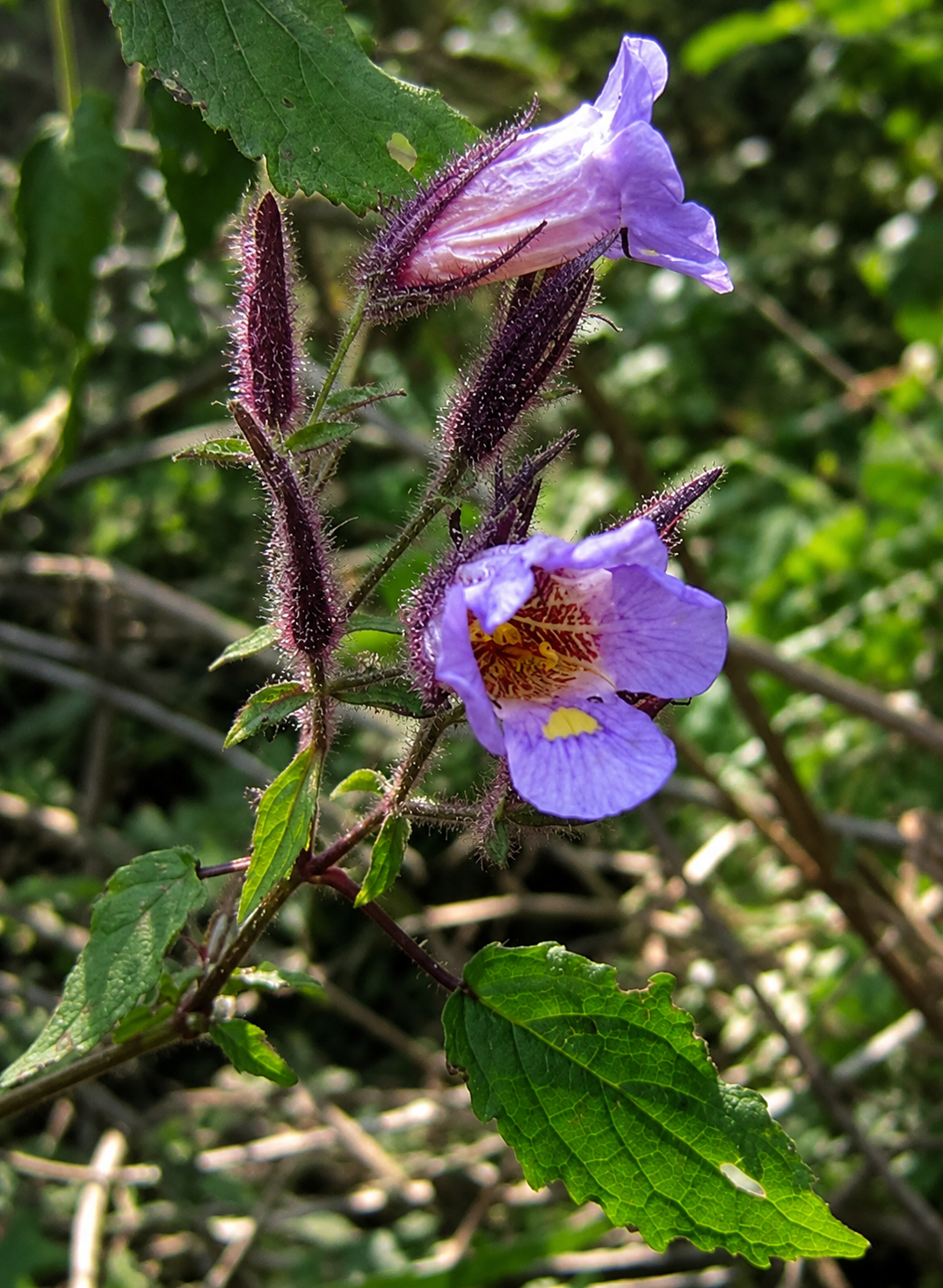
Long before printed calendars, clocks, or modern record keeping, the Kipsigis people observed nature carefully to measure time. Among the most fascinating natural timekeepers was a remarkable wild shrub known as Seetyot (Mimulopsis).
This extraordinary plant was not merely part of the landscape—it served as a biological calendar, helping elders organize ceremonies, age-set transitions, and important social milestones.
The Mysterious Bloom
Unlike ordinary plants that flower yearly, Seetyot blooms dramatically in synchronized cycles, often only once every seven to eight years.
When entire patches of Seetyot suddenly burst into bloom, it was no ordinary botanical event. It was a signal to the community that time itself had reached an important turning point.
The Calendar of Initiation
Traditional Kipsigis and related Kalenjin communities organized age-sets, initiation cycles, and ceremonial timing around this flowering pattern.
Elders observed Seetyot carefully because:
- Initiation seasons opened or closed in relation to its cycles.
- Age-set transitions were coordinated around it.
- Major ceremonial timing depended on its appearance.
- Social generations could be tracked through natural rhythms.
It was a living clock built by nature itself.
Sagetab Eito and Sacred Timing
The famous Sagetab Eito ceremony was connected to this natural rhythm. Certain rites were expected only during appropriate periods in relation to Seetyot flowering cycles.
Traditional beliefs also held that some ceremonies should not occur during particular flowering periods.
The year following Seetyot flowering was often regarded as a sensitive ceremonial period known as Karatet.
Honey Season
Seetyot flowers produced abundant nectar, attracting large numbers of bees. Flowering years therefore became seasons of plentiful honey.
Honey held both practical and ceremonial importance:
- Food for celebrations
- Cultural significance in ceremonies
- Symbol of abundance
- An important traditional resource
Wisdom Without Written Calendars
The brilliance of this system lay in careful observation. Without printed dates or digital tools, elders tracked social time through ecology and environmental knowledge.
This reflected a profound understanding of:
- Nature cycles
- Plant behavior
- Generational timing
- Community organization
Modern Reflection
Today, modern calendars have replaced Seetyot's practical role, but its story remains one of the most fascinating examples of indigenous African environmental knowledge.
Seetyot reminds us that our ancestors read the land, the forests, and the seasons with extraordinary intelligence.