Migration and Settlement of the Kipsigis People
Tracing the long journey from ancestral homelands to the fertile highlands of present-day Kenya.
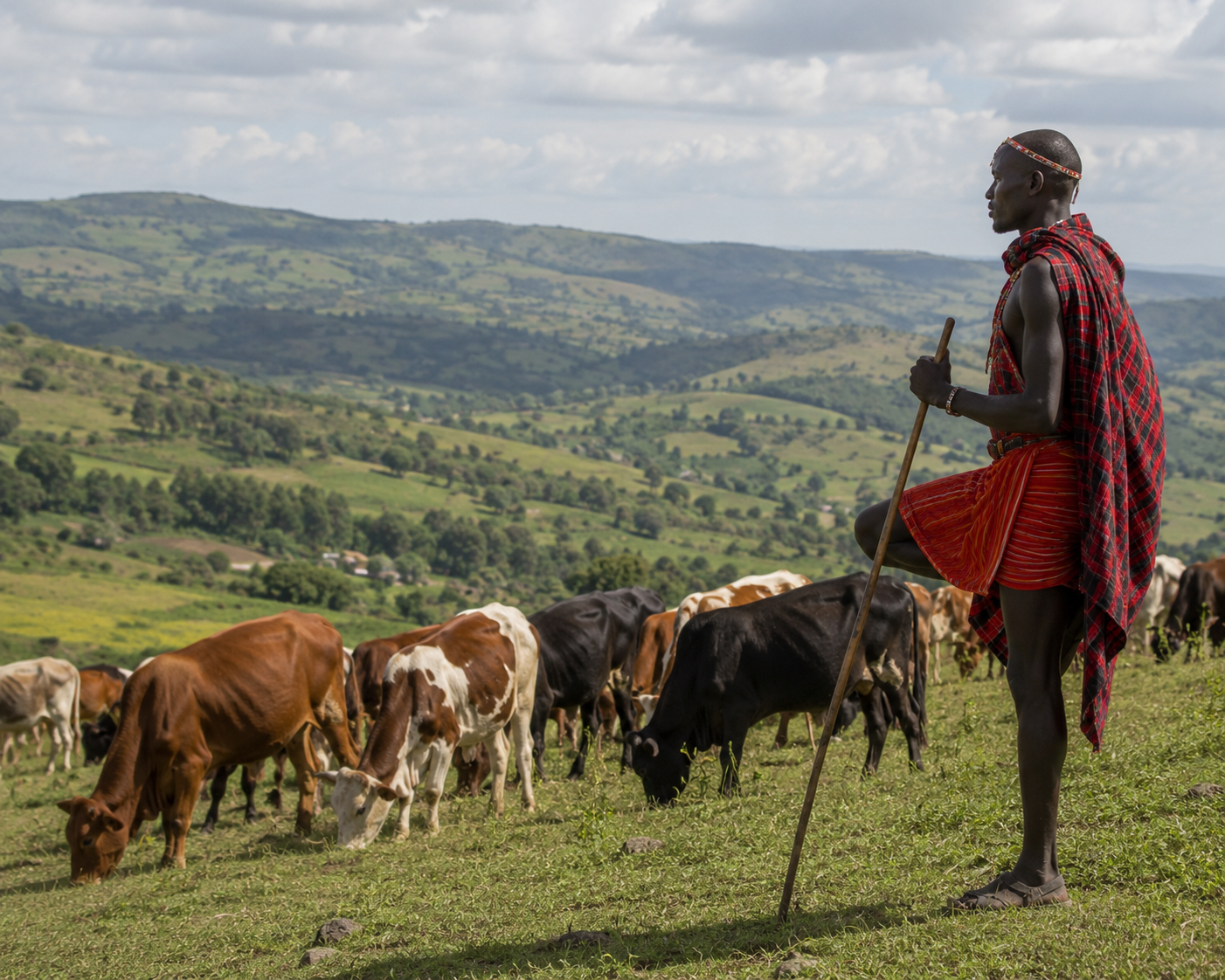
Like other Kalenjin-speaking communities, the ancestors of the Kipsigis did not originate in their present homeland. Oral traditions and historical scholarship suggest that they were part of broader Southern Nilotic populations whose distant origins lay in the Upper Nile region of East Africa.
Over many generations, these ancestral communities gradually migrated southwards in search of better grazing lands, water, security, and opportunities for settlement.
The Journey Southward
The migration was not a single sudden movement but a long gradual process spanning generations. Communities moved in waves, adapting to changing environmental and social conditions along the way.
During this journey, the ancestors of the Kipsigis interacted with numerous neighboring communities, including:
- Cushitic-speaking communities
- Bantu-speaking groups
- Other Nilotic peoples
These interactions influenced language, social organization, cultural adaptation, survival strategies, and economic practices.
Settlement in the Highlands
Eventually, the Kipsigis established themselves in the fertile highlands of what is now western and southern Rift Valley Kenya.
Their settlement areas came to include:
- Kericho
- Bomet
- Sotik
- Belgut
- Konoin
- Trans Mara
- Parts of Narok
- Parts of Nakuru
Expansion and Clan Distribution
As population increased, families expanded and clans spread across different regions. This expansion led to the establishment of numerous Kipsigis clans (Ortinwek) occupying distinct territories.
Settlement patterns were influenced by:
- Availability of fertile land
- Livestock grazing needs
- Clan relationships
- Defense considerations
- Access to water
Over time, these settlements evolved into the strong clan-based communities that continue to shape Kipsigis identity today.
Adaptation to the New Environment
Settlement in the highlands significantly influenced Kipsigis culture and social organization.
The community strengthened:
- Cattle-based wealth systems
- Agricultural practices
- Clan governance structures
- Age-set social systems
- Traditional spiritual leadership
Their environment deeply influenced naming systems, ceremonies, economic activities, social customs, and everyday life.