Traditional Kipsigis Homestead Life
Exploring family life, culture, responsibility, and community within the traditional Kipsigis homestead.
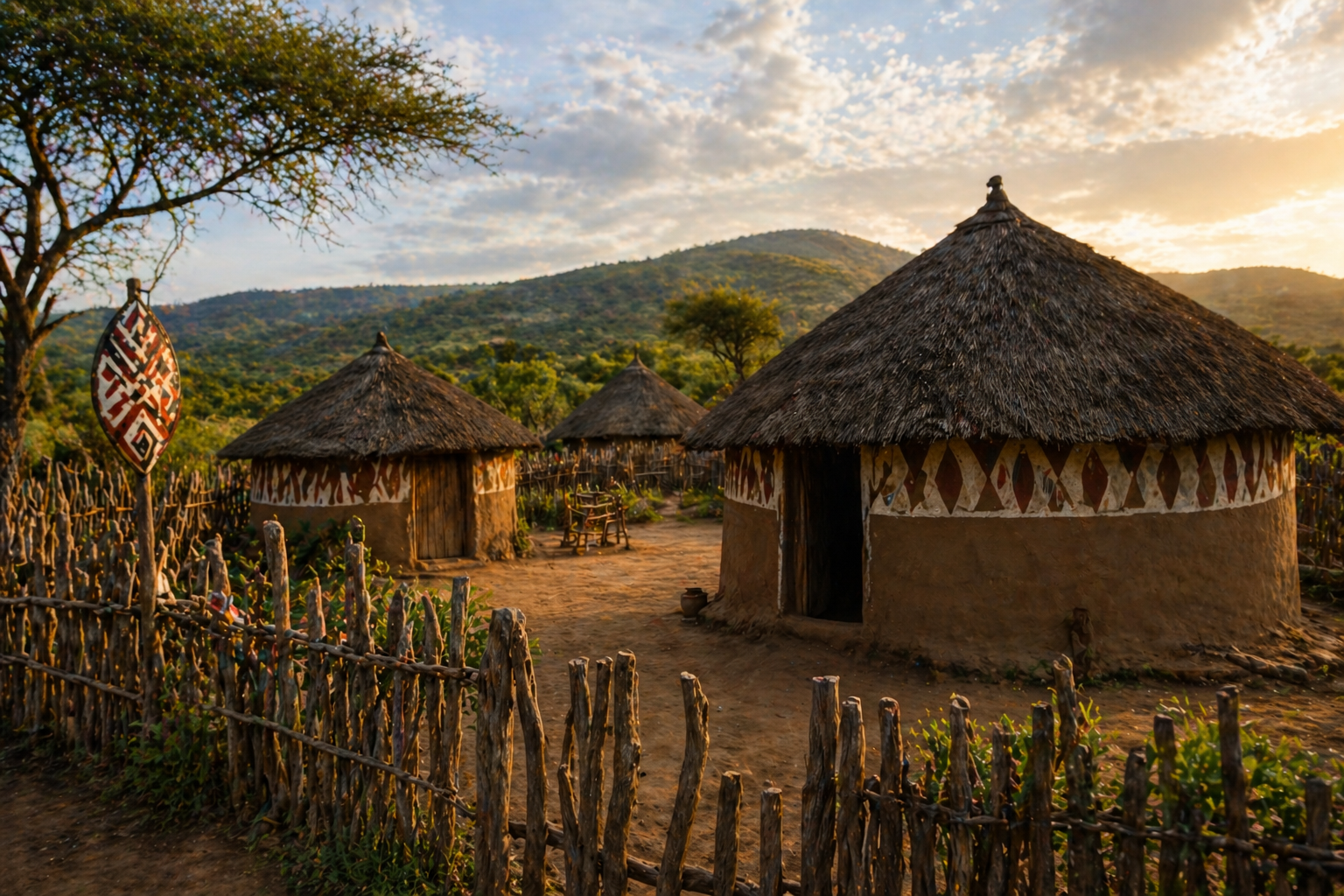
Traditional Kipsigis life revolved around the homestead, which was far more than a physical place of residence. It was the center of family life, cultural learning, economic activity, governance, spirituality, and identity.
Structure of the Homestead
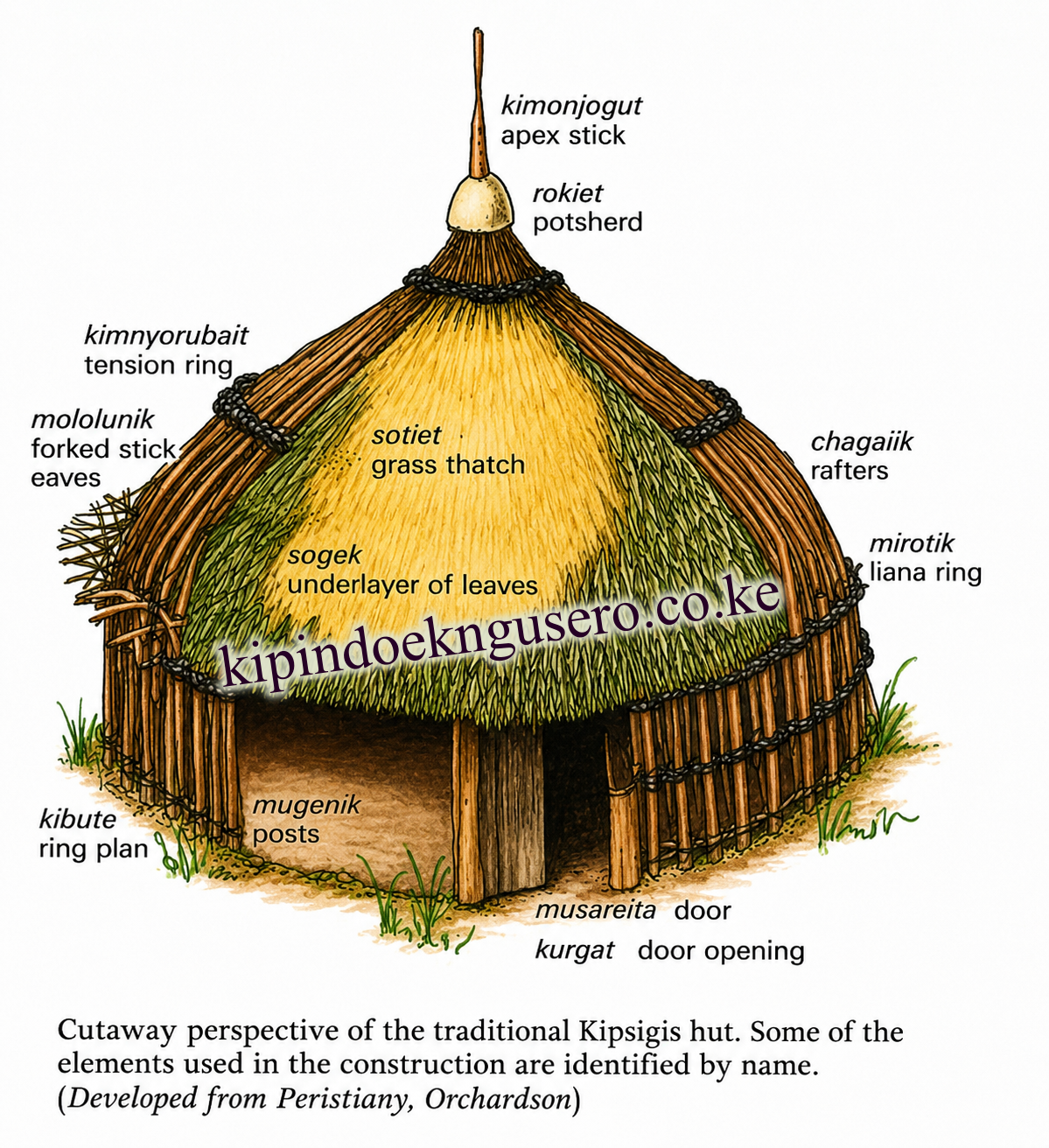
A typical Kipsigis homestead consisted of several important sections arranged carefully according to social and cultural order.
- Main family huts for wives and children.
- Livestock enclosures for cattle, sheep, and goats.
- Granaries for storing millet and other produce.
- Cooking areas for preparing traditional meals.
- Open gathering spaces for family meetings and storytelling.
- Firewood storage areas within the household.
Placement within the homestead reflected age, gender roles, and social responsibilities.
Family Structure
The traditional family was often extended, with several generations living in close proximity. The father served as household head, while mothers managed domestic life, childcare, and food preparation.
Family members included:
- Father (household leader)
- Mother(s)
- Children
- Grandparents
- Close relatives
Livestock and Wealth
Livestock formed the economic heart of traditional Kipsigis life. Wealth was measured largely through ownership of cattle, sheep, and goats.
Livestock provided:
- Milk
- Meat
- Bride wealth
- Ceremonial offerings
- Economic security
- Social prestige
Boys often learned livestock care and management from an early age under the guidance of their fathers and older relatives.
Daily Responsibilities
Every family member had assigned duties that contributed to the well-being of the household and community.
- Men: Livestock protection, security, leadership, and dispute resolution.
- Women: Cooking, childcare, water collection, firewood gathering, and household care.
- Boys: Herding livestock and assisting their fathers.
- Girls: Helping mothers with domestic responsibilities and childcare.
Food and Meals
Traditional meals reflected both agricultural and livestock lifestyles.
Common foods included:
- Fresh milk
- Sour milk (Mursik)
- Millet porridge
- Traditional vegetables
- Meat during ceremonies and special occasions
- Honey
Meals were often shared communally, strengthening family bonds and social cohesion.
Learning and Storytelling
Evenings were important moments of cultural education. Elders narrated stories, proverbs, warnings, and historical lessons around the fireplace.
Through storytelling, children learned:
- Respect for elders
- Bravery and courage
- Community values
- Clan history
- Moral lessons
Oral tradition ensured that knowledge, customs, and historical memory were preserved from generation to generation.